Best Seasons for Concrete Driveway Polishings
Concrete driveway polishings are most effective when performed under suitable weather conditions to ensure proper curing and bonding. Typically, the optimal time is during periods of mild temperatures and low humidity, which facilitate even application and drying. Extreme heat can cause rapid evaporation, leading to surface cracks, while cold temperatures may hinder curing processes. Therefore, scheduling polishings during spring or early fall in temperate climates often yields the best results.
Spring and early fall provide moderate temperatures and humidity levels, ideal for concrete polishings.
High temperatures, heavy rain, and freezing conditions can adversely affect the polishing process.
Ensure the driveway is dry and free of debris before scheduling the service.
Plan polishings when the forecast predicts stable weather for at least 48 hours.

Ways to make Concrete Driveway Polishings work in tight or awkward layouts.

Popular materials for Concrete Driveway Polishings and why they hold up over time.

Simple add-ons that improve Concrete Driveway Polishings without blowing the budget.
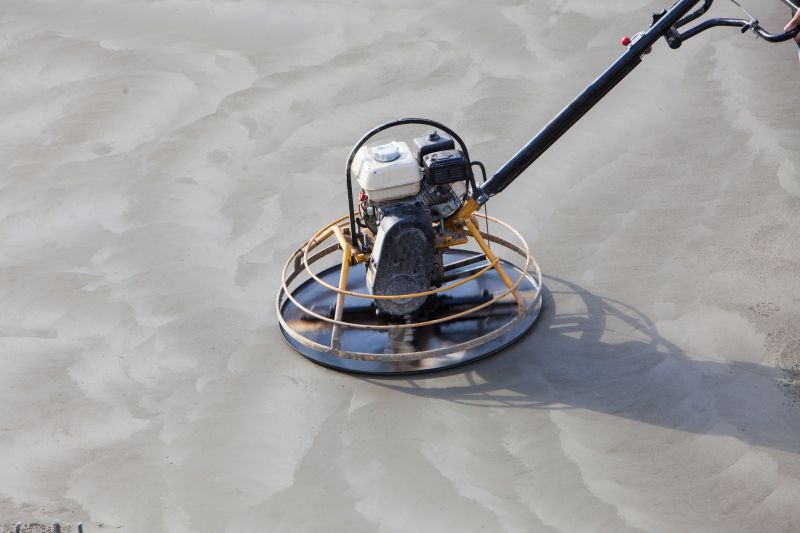
High-end options that actually feel worth it for Concrete Driveway Polishings.
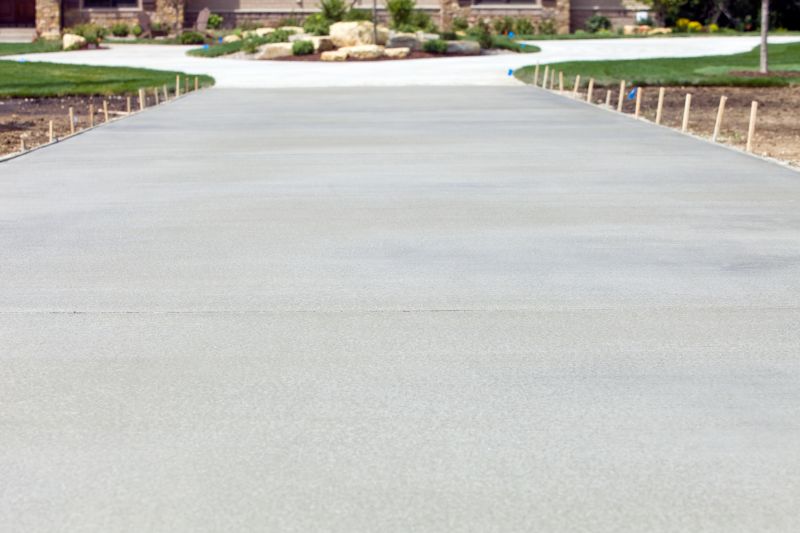
Finishes and colors that play nicely with Concrete Driveway Polishings.
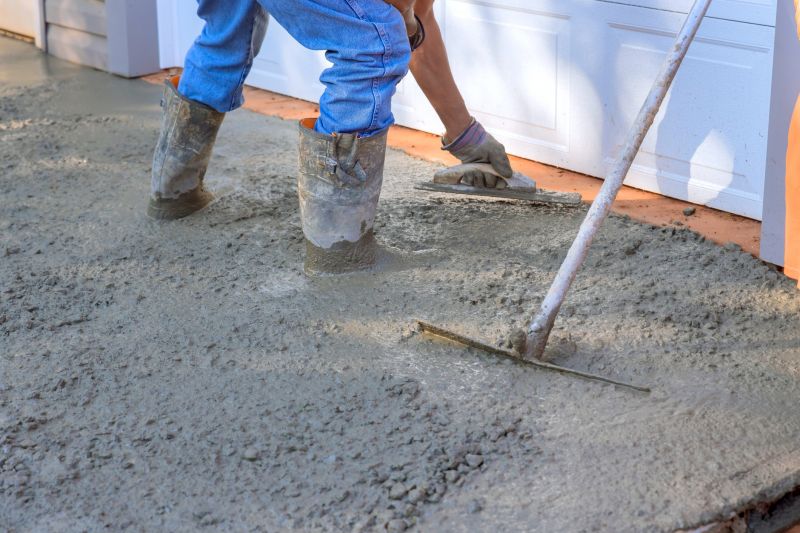
Little measurements that prevent headaches on Concrete Driveway Polishings day.
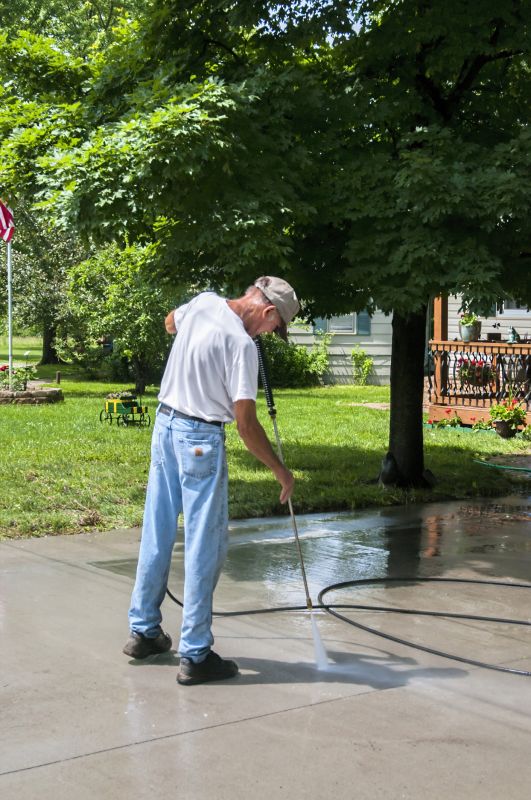
A 60-second routine that keeps Concrete Driveway Polishings looking new.
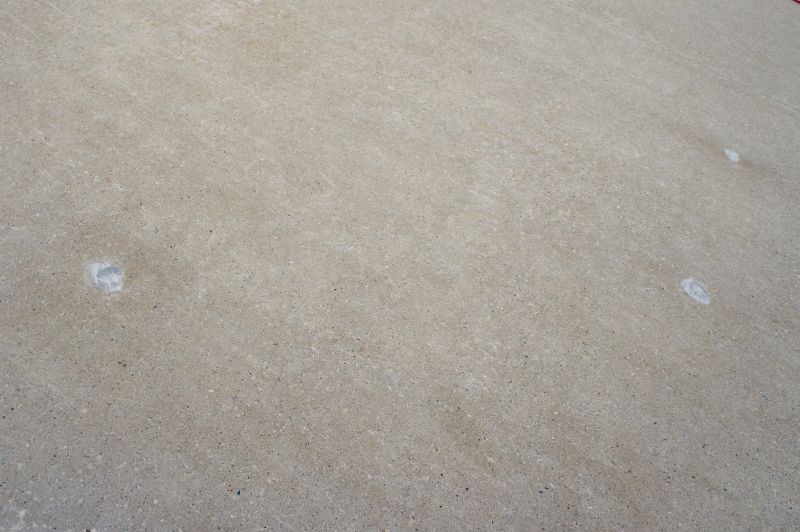
A frequent mistake in Concrete Driveway Polishings and how to dodge it.
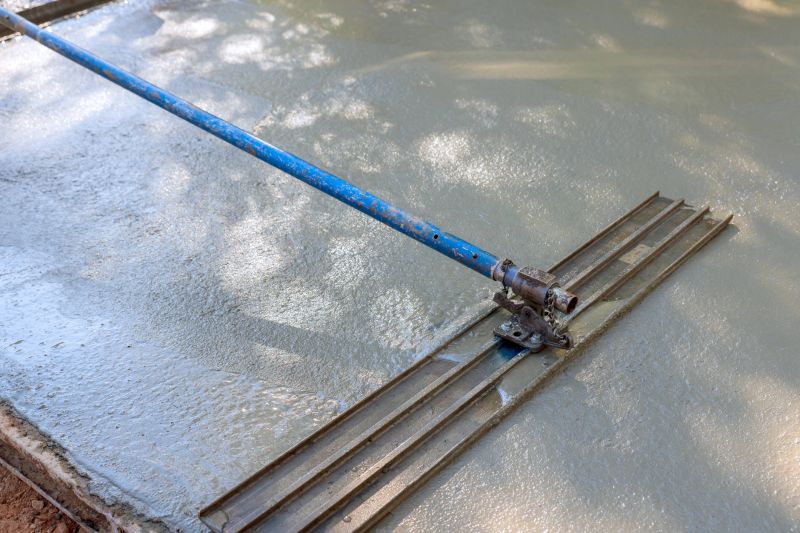
Small tweaks to make Concrete Driveway Polishings safer and easier to use.

Lower-waste or water-saving choices for Concrete Driveway Polishings.
| Season/Time | Best Conditions |
|---|---|
| Spring | Moderate temperatures, low humidity |
| Early Fall | Mild weather, stable conditions |
| Summer | Avoid high heat and humidity |
| Winter | Not recommended due to cold temperatures |
| After Rain | Ensure surface is dry before polishing |